Journal
Content for daily logging goes here...
Carol
🎗️ Resveratrol's Promising Role in Battling Endometriosis
If you're one of the millions of women grappling with the chronic pain, fatigue, and frustration of endometriosis, you're not alone. This debilitating condition affects about 1 in 10 women worldwide, causing endometrial-like tissue to grow outside the uterus, leading to inflammation, scarring, and sometimes infertility.
What if a compound found in everyday foods like grapes, berries, and even red wine could offer a natural boost in managing it? Enter resveratrol – a potent antioxidant that's been turning heads in the scientific community for its potential therapeutic effects.
In this deep dive, we'll explore what resveratrol is, how it might help with endometriosis, the latest research (including fresh 2025 studies), and why it's worth discussing with your doctor. Whether you're seeking alternative options or just curious about cutting-edge natural remedies, stick around – this could be a game-changer!
What Exactly is Resveratrol ?
Resveratrol is a natural polyphenol, a type of plant compound known for its antioxidant properties. It's most famous for being in red wine (thanks to grape skins), but you can also find it in blueberries, cranberries, peanuts, and dark chocolate. The active form, trans-resveratrol, is what researchers focus on because it's more bioavailable and effective in the body.
Beyond its "French Paradox" fame (where it's credited for heart health benefits in wine drinkers), resveratrol has anti-inflammatory, anti-angiogenic (stops new blood vessels from forming), and estrogen-modulating effects. These make it particularly intriguing for hormone-related conditions like endometriosis, where inflammation and abnormal tissue growth run rampant.
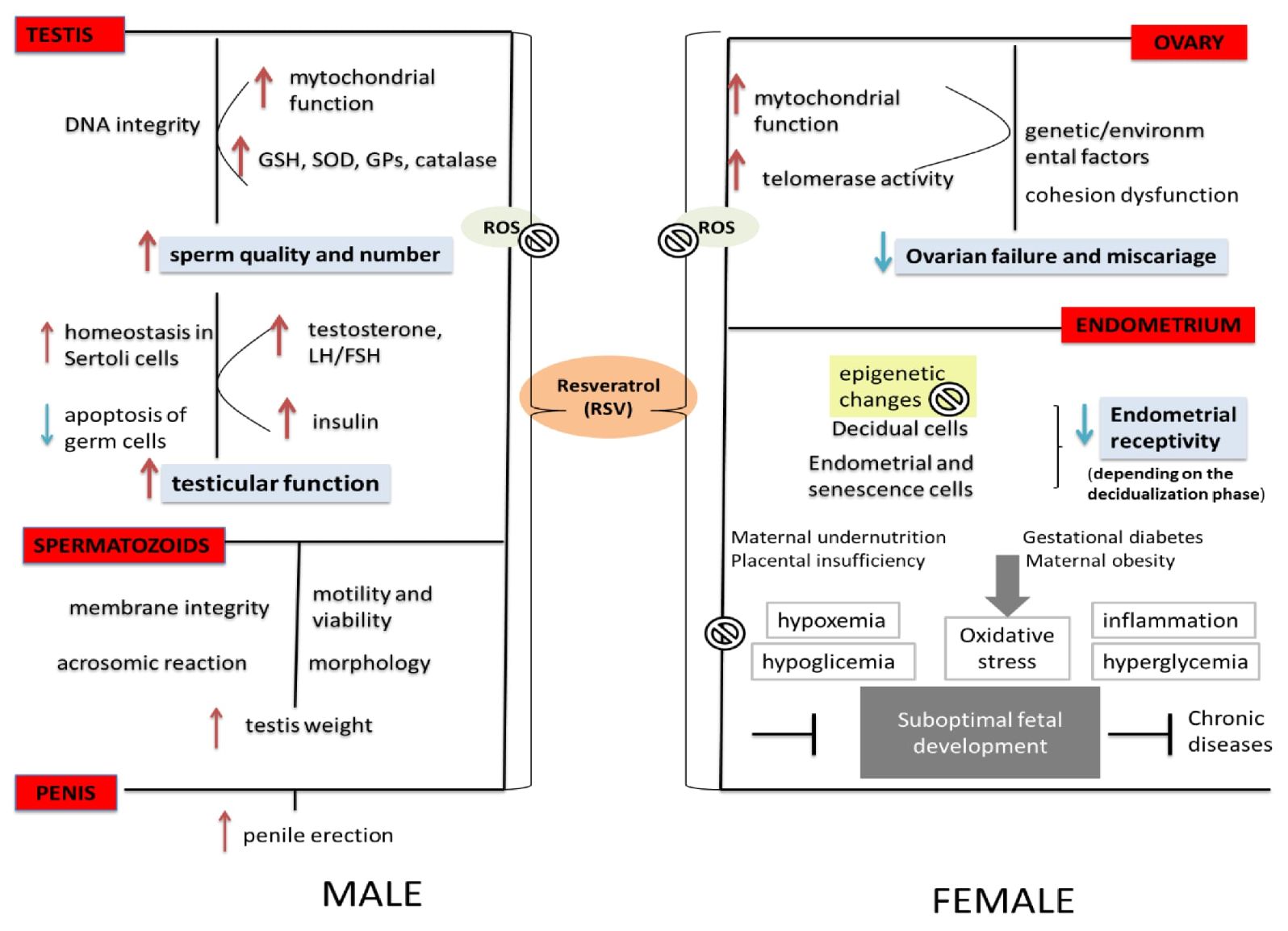
The Science: How Resveratrol Targets Endometriosis
Endometriosis isn't just painful – it's complex. Lesions grow, invade tissues, and thrive on inflammation and estrogen. Traditional treatments like hormonal therapies, pain meds, or surgery help many, but they're not always enough, and side effects can be tough. That's where resveratrol steps in, acting on multiple fronts.
Lab and animal research has been buzzing with positive results. In vitro studies on human endometrial cells show resveratrol inhibiting cell proliferation, migration, and invasion – basically, it stops the "bad" cells from spreading. It downregulates key players like VEGF (which promotes blood vessel growth in lesions), MMP-2 and MMP-9 (enzymes that help tissue invasion), and inflammatory cytokines such as TNF-α and IL-8.
In animal models, like rats and mice with induced endometriosis, resveratrol has shrunk lesions by 60-80%. It promotes apoptosis (programmed cell death) in ectopic tissue, reduces oxidative stress, and even tackles ferroptosis – a type of cell death linked to iron overload in endo lesions.357e66 One standout study found it reverses endometriosis outcomes via TGF-β signaling, a pathway involved in fibrosis and inflammation.
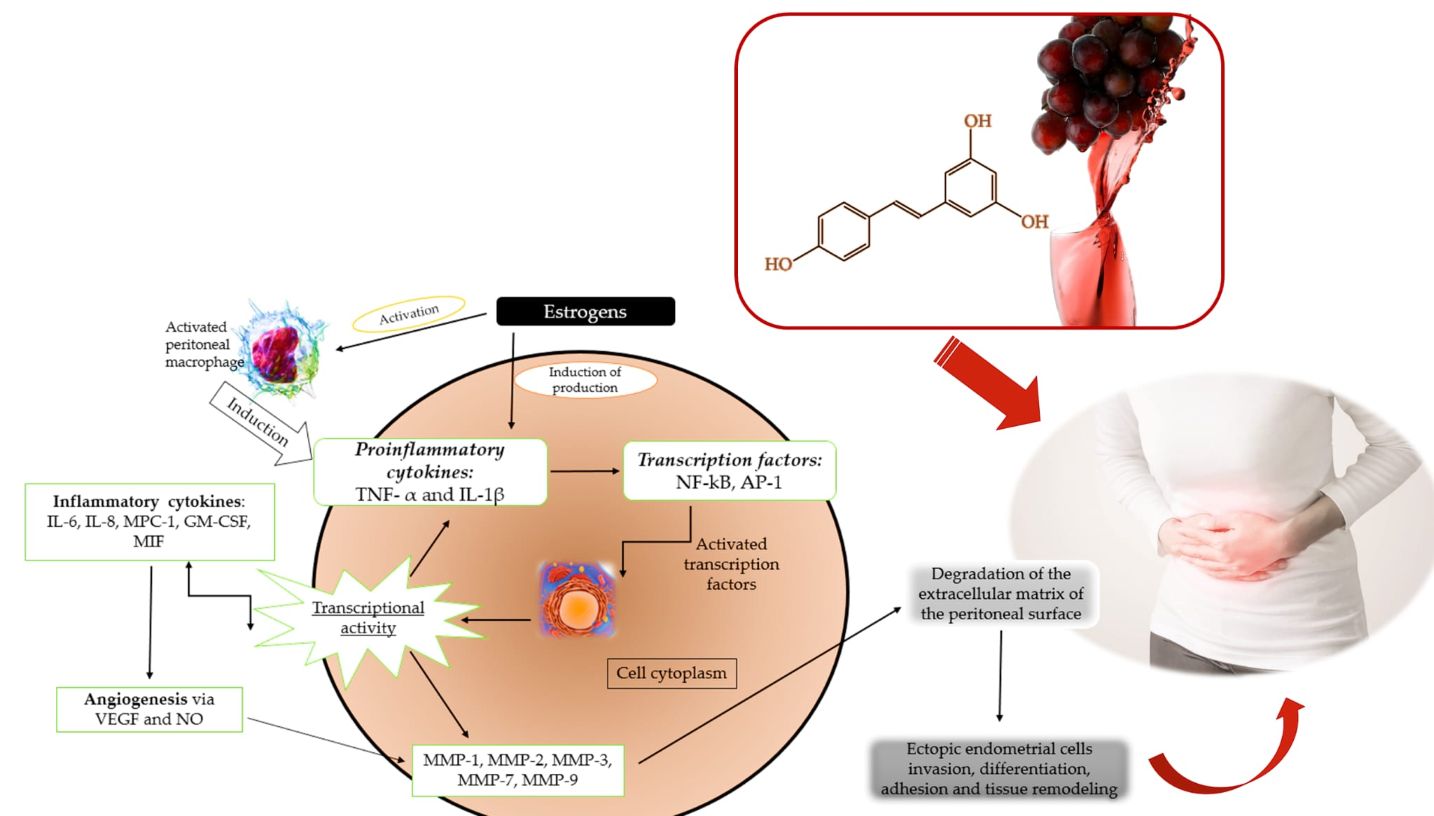
Human data is still emerging, but it's encouraging. Small clinical trials have shown resveratrol, often combined with oral contraceptives, reducing pelvic pain and dysmenorrhea (painful periods). Some participants reported complete pain relief! Excitingly, resveratrol may also boost fertility in endo patients by improving ovarian health and reducing androgen levels – a common issue in related conditions like PCOS.
A fresh review published in August 2025 dives into new perspectives on resveratrol for inflammatory diseases, including endometriosis, emphasizing its multi-targeted. Researchers highlight how it could complement existing therapies by addressing metabolic aspects often overlooked.
In October, a rat study demonstrated resveratrol's ability to reverse endo-mediated effects through TGF-β signaling, suggesting it could prevent lesion progression and improve outcomes. And earlier in the year, a January review linked resveratrol to enhanced female fertility, with specific nods to its potential in endometriosis-related infertility.
These studies build on 2024 findings that praised resveratrol's anti-proliferative effects in nutrition-based therapies for endo. While we're still awaiting large-scale human trials, the preclinical evidence is stacking up fast.
Potential Benefits and How to Incorporate It
• Reduces Inflammation: Lowers pro-inflammatory markers, easing pain.
• Fights Oxidative Stress: Protects cells from damage that fuels lesion growth.
• Balances Hormones: Inhibits aromatase, an enzyme that boosts estrogen in endo tissue.
• Supports Fertility: May improve egg quality and reduce infertility risks.
As a supplement, doses in studies range from 30-1500 mg daily, but start low. Food sources are great too – red wine moderately, or on berries. Always consult your healthcare provider, especially if you're on meds, as it can interact with blood thinners or hormones.
Final Thoughts: A Natural Ally in the Fight Against Endo
Resveratrol isn't a cure, but its potential as an adjunct therapy is undeniable. With endometriosis research evolving rapidly, natural compounds like this offer hope for fewer side effects and better quality of life. If you're dealing with endo, talk to your doc about incorporating it – and stay tuned for those upcoming trials!
📖 Sources:
The effects of resveratrol (2021)
[1]
The effect of two anti-inflammatory dietary (2025)
[2]
Carol
🎗️Green Tea & Endometriosis: What the Science Is Starting to Show
Living with endometriosis often means constantly searching for answers beyond pain relief. Recently, I came across a new scientific study exploring the potential role of EGCG, a powerful compound found in green tea, and its effects on endometriosis—and I felt it was worth sharing.
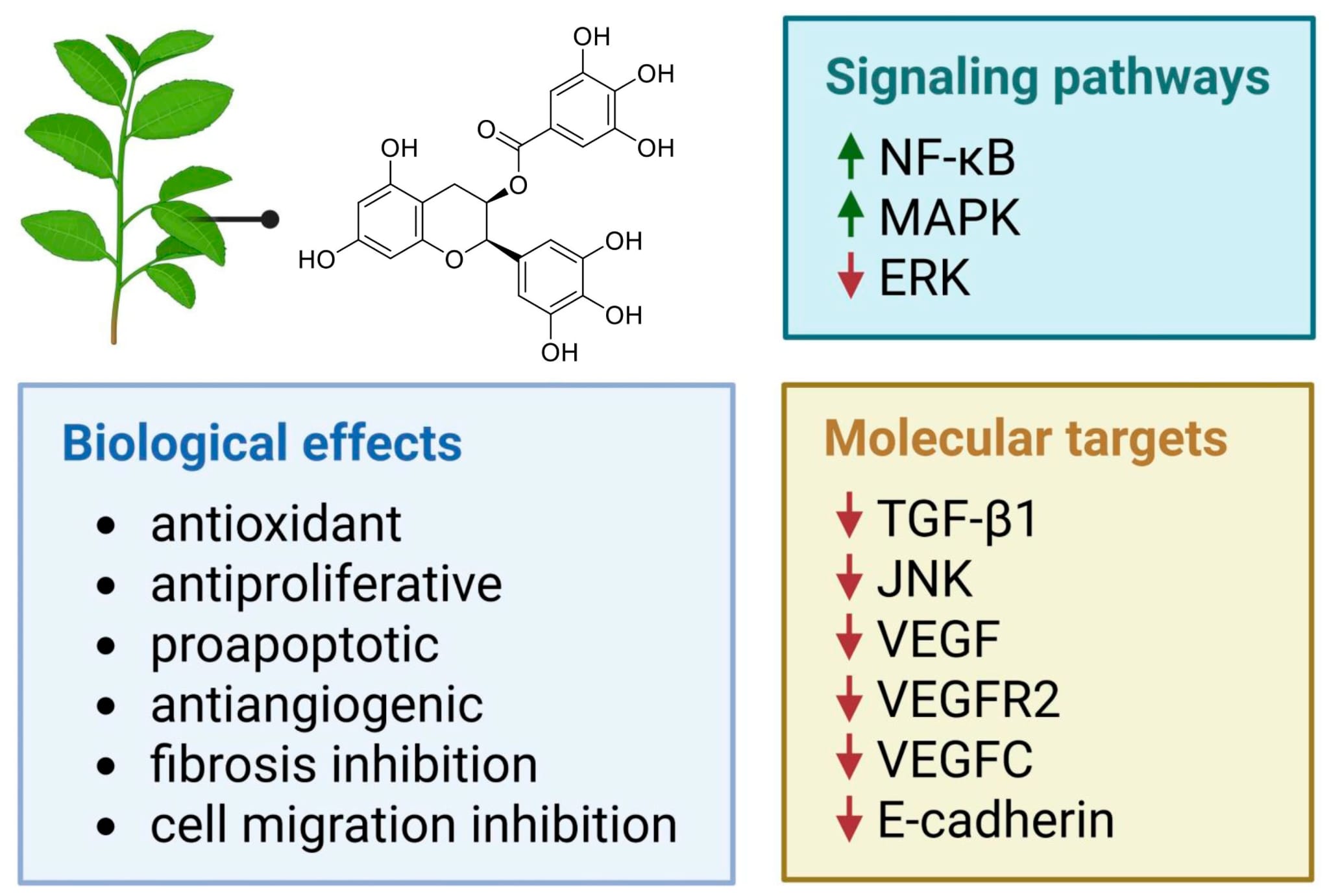
EGCG (epigallocatechin gallate) is known for its anti-inflammatory, antioxidant, and anti-fibrotic properties. According to the most recent research, results from in vitro and animal studies suggest that EGCG may help reduce the number, size, and volume of endometriosis lesions.
Even more interestingly, the study highlights EGCG’s potential ability to prevent fibrosis, a key process involved in disease progression, by influencing multiple molecular factors and signaling pathways.
Inflammation and oxidative stress play a major role in endometriosis, and EGCG appears to act on both. By reducing inflammatory markers and oxidative damage, it may help create an environment less favorable for lesion growth. These findings don’t mean EGCG is a cure—but they do offer promising insight into how natural compounds might support the body when used alongside a broader, holistic approach.
A commonly studied dose in research is around 800 mg of EGCG per day, typically taken as a supplement (this amount would be difficult to reach through drinking green tea alone).
This kind of studies align deeply with my own journey of finding peace and symptom relief through a holistic approach rather than relying solely on medication.
Living with endometriosis has taught me that hope often comes in small, quiet ways. Sometimes it’s not a miracle cure or a breakthrough treatment—but a study, a plant, a possibility that reminds me we are still learning, still searching, still moving forward.
I’m sharing this not to tell you what to do, but to say this:
You are not imagining things. You are not wrong looking for alternatives and answers. And you are not alone in believing that healing can look different from pain management.
This study doesn’t promise certainty—but it offers hope. And sometimes, hope is exactly what we need to keep going.
📖 Source:
Nutrients Journal (2025) – MDPI
[1]
Carol